Recovery Programs
Some situations need more than a single appointment — they need a plan. A recovery program is a structured course of sessions with a goal, a rhythm and home care built in.
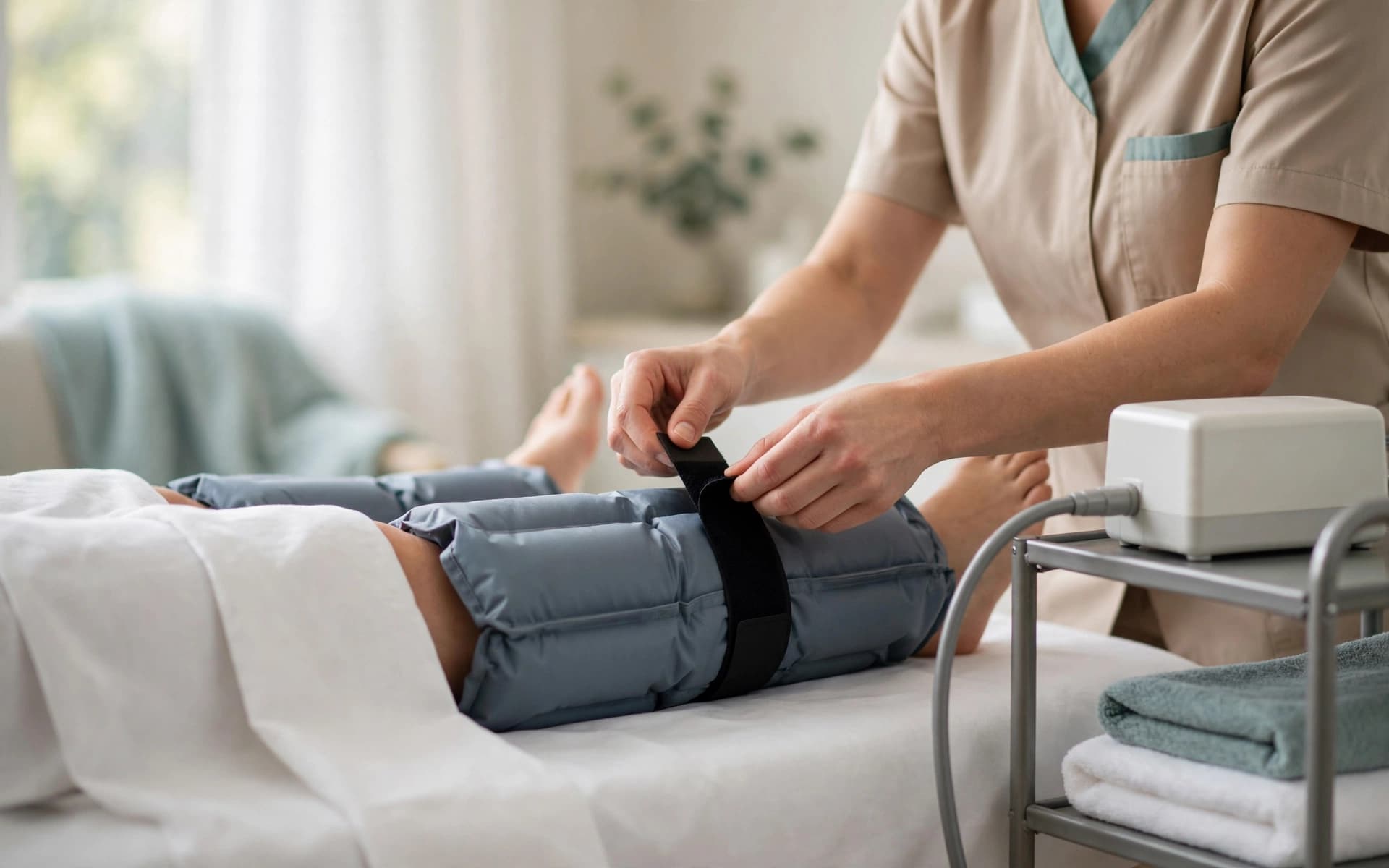
A one-off treatment can feel wonderful; a program is how lasting change tends to happen. Kylie builds recovery programs for patients whose situation calls for consistent work over weeks or months, with each session building on the last.
What a program looks like
Every program starts with the Initial Assessment, which sets the goal — measurable where possible: range of motion, limb measurements, sleep quality, training load — and the rhythm. A typical program might run:
- An intensive phase — sessions weekly or more often, doing the concentrated work.
- A consolidation phase — sessions spacing out as the body holds its gains.
- Maintenance — occasional sessions to keep things on track, with home care doing most of the work.
Home care is half the program
Kylie has taught massage and body treatments at TAFE for over ten years, and it shows in how much she hands over: self-massage techniques, skin care, movement guidance, and — where it helps — showing a partner simple techniques to assist at home. The aim is always that you need her less over time, not more.
Who programs suit
Post-surgical rehabilitation running alongside physiotherapy; athletes structuring treatment around a training block or event; lymphoedema and lipoedema management (see Complete Decongestive Therapy); and chronic tension or pain patterns that took years to build and will not shift in a session.
Program pricing simply uses the standard session rates — you book the sessions your plan calls for, and Kylie will recommend the session length that fits.
Ready to begin?
Every treatment plan starts with an assessment. Not sure yet? Book a free discovery call instead.
Book an Initial AssessmentHow booking worksYour therapist
Kylie Fletcher — Dr Vodder Method certified to the highest level, 37 years of clinical experience, member of the Australasian Lymphology Association.
About KylieMore in Pain & Recovery
Tissue Recovery
Soft tissue takes time to heal — and swelling, congestion and guarding can slow it down. This work is aimed at supporting the conditions tissue heals best in.
Muscle Tension Support
Long-held tension changes how the whole body feels. Massage, applied with skill and adjusted to how your tissue presents on the day, remains one of the most direct ways to address it.
Scar Management
A scar is repair tissue laid down in a hurry. With time and the right input, scar tissue and the fibrosis around it can be encouraged to soften and move more freely.