Renew Vitality
Lymphoedema Management Guide
Overview & Core Pillars of Lymphoedema Management
Lymphoedema management aims to ease swelling, support fluid movement and help you care for the affected tissue over the long term. Lymphoedema is a long-term condition that is managed rather than cured. Care usually follows the principles of Complete Decongestive Therapy (CDT): multi-layer bandaging, fitted compression garments, gentle exercise, skin care and, where suitable, clinical equipment, with the aim of reducing limb volume, keeping swelling under control and lowering the risk of fibrotic hardening.
- Volume Reduction: Aims to reduce protein-rich fluid build-up in the affected limb, so it can feel lighter.
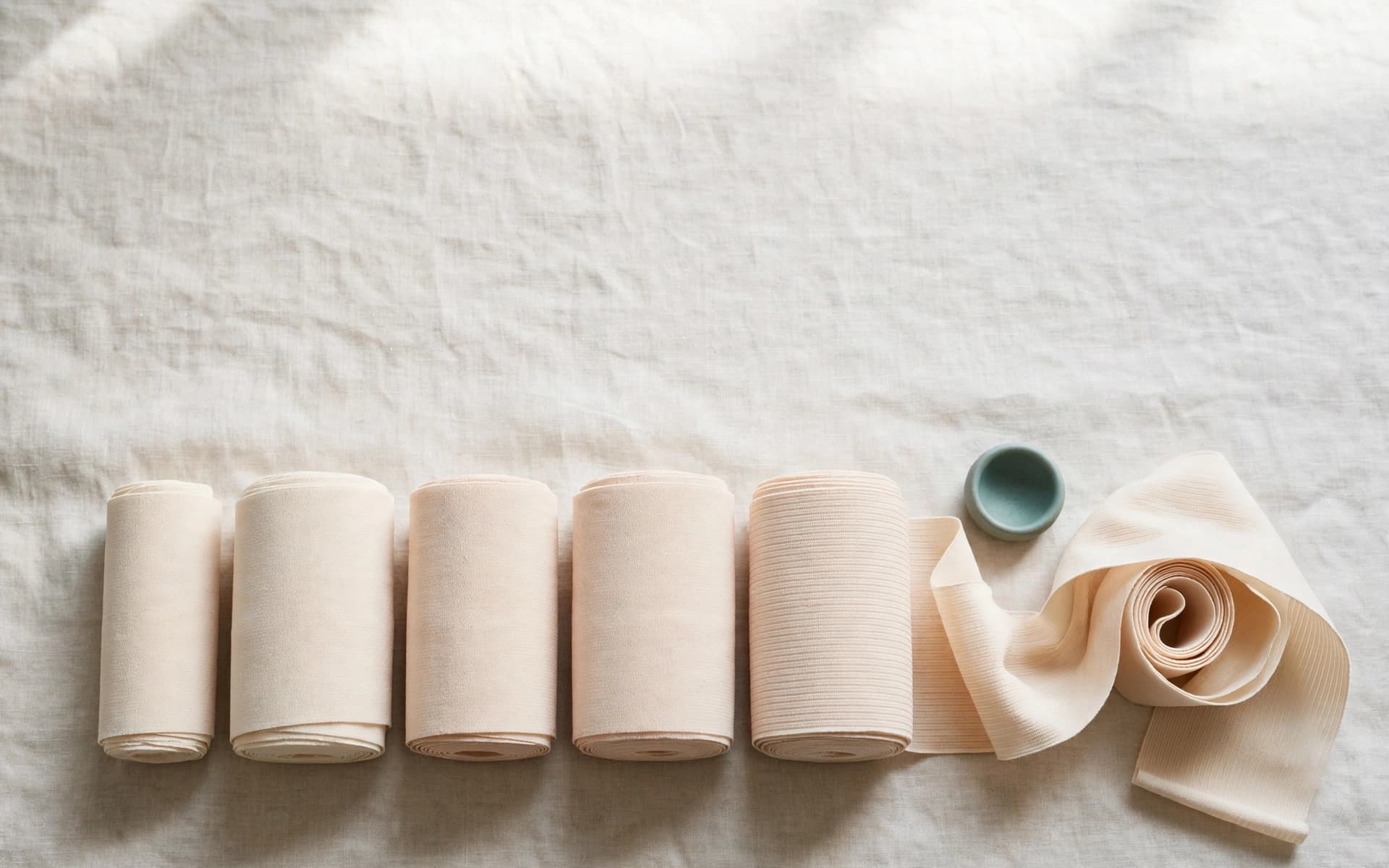
- Multi-Layer Bandaging & Compression: Short-stretch bandages and fitted garments give steady support at rest and work with your muscle pump as you move.
- Decongestive Exercises: Gentle routines designed to engage the deep muscle pumps and encourage lymph to travel in the right direction.
- Fibrosis & Tissue Softening: Used with the aim of softening hardened tissue and scar areas, so the skin can feel more supple.
- Skin Care & Infection Awareness: Swollen skin is more vulnerable to infection, including cellulitis, so careful skin care and early attention to changes matter.
- Lymphatic Drainage: Aims to redirect fluid around blocked areas towards healthy lymphatic pathways.
- Long-Term Self-Management: Daily routines for skin care, movement and garment wear, so you feel confident between sessions.
Who Commonly Seeks This Care
- Primary & Secondary Lymphoedema: Lymphoedema present from birth or developing later, including swelling after surgery, radiation therapy or injury.
- Post-Surgical Oedema & Fibrotic Hardening: Ongoing fluid after an operation, or firm scar tissue people would like to feel softer.
- Chronic Venous Insufficiency & Phlebo-Lymphoedema: Combined venous and lymphatic swelling, often felt as heaviness in the lower legs.
- Lipolymphoedema: Lipoedema where fluid-based lymphatic swelling has developed alongside it.
- Recurrent Tissue Congestion & Heaviness: Persistent limb heaviness and fatigue that affect comfort and everyday mobility.
Clinical Technologies Used in Lymphoedema Care
Depending on your assessment, sessions may include:
- Manual Lymphatic Drainage (MLD) — Gentle, rhythmic skin stretching that aims to encourage the lymph vessels' own contractions and redirect fluid from congested areas towards healthy pathways. Many people find it eases tension and heaviness.
- Multi-Layer Short-Stretch Bandaging — Firm support while you move and gentler pressure at rest, working with your muscle pump. Applied after sessions, it aims to hold the gains made and limit fluid returning.
- Pneumatic Compression Pumps — A sleeve that inflates and releases in a calibrated, intermittent pattern, used with the aim of supporting fluid movement along the limb as part of volume management, always under practitioner guidance.
- Deep Oscillation Therapy — A gentle, pulsed electrostatic field that creates a soft, deep resonance in the tissue. It aims to soften fibrotic areas, ease deep tension and support circulation in fragile tissue.
Specific Decongestive Exercise Routines
Movement is an important part of lymphoedema care. Exercising in your compression lets your working muscles press against it, which is thought to help move fluid upwards.
Core Exercise Principles
- Diaphragmatic Breathing: Start and end your routine with slow, deep belly breathing, which is thought to help encourage lymph flow through the central vessels.
- Compression Integration: Do all of your prescribed exercises in your compression bandages or fitted garments.
- Low-Impact Repetitions: Choose smooth, rhythmic, repeated movements rather than heavy resistance.
Sample Daily Routine
- Upper Limb Routine: Shoulder rolls, arm raises, elbow bends and finger squeezes (15–20 reps each) to gently engage the arm and trunk.
- Lower Limb Routine: Ankle pumps, heel-toe rocks, seated knee extensions and gentle leg cycling (15–20 reps each) to work the calf and thigh muscle pumps.
- Walking Integration: Finish with a steady, low-impact walk of 15–20 minutes.
Anti-Inflammatory Nutritional Framework
An anti-inflammatory, lower-sodium way of eating supports general wellbeing and overall fluid balance, and sits comfortably alongside lymphoedema care.
Key Dietary Focus Areas
- Hydration: Drink water steadily through the day. It may seem counterintuitive, but good hydration supports your body's normal fluid balance.
- Low-Sodium Choices: Go easy on added salt, which can contribute to fluid retention.
- Omega-3s & Antioxidants: Include oily fish, berries and leafy greens as part of a balanced diet.
Foods & Substances to Limit
- Processed & Salty Foods: Canned soups, processed meats and salted snacks, which can add to water retention.
- Refined Sugars & Alcohol: These are associated with inflammation, so they are worth keeping to a minimum.
Pre-Treatment Guidelines & Preparation
Before Your Session:
- Skin Inspection: Check the affected limb for skin breakdown, redness or early signs of infection, and let Kylie know before your appointment if you notice any.
- Garment/Bandage Readiness: Please bring your current compression garments or bandaging supplies to your appointment.
- Avoid Heavy Meals: It's best to skip a heavy meal just before treatment, so you're comfortable lying down.
- Skin Care: Have your skin clean and moisturised with a suitable hypoallergenic emollient before bandaging.
Post-Recovery Timeline & At-Home Care
What to Expect
Many people feel lighter after a session, and the limb may look less swollen. Some feel mildly tired over the first 24 to 48 hours as the body adjusts.
At-Home Actions
- Garment Wear: Wear your prescribed compression garments or keep to your bandaging schedule as advised, to help hold your progress.
- Daily Routine: Keep up your decongestive exercises each day.
- Skin Hygiene: Keep your skin clean and dry to lower the risk of skin problems.
Follow-Up Scheduling
Lymphoedema care is an ongoing partnership, and regular follow-up lets Kylie check how your limb is going, refit garments when needed and adjust your plan over time. If your next session isn't booked yet, you're welcome to book a follow-up whenever it suits you.
This guide is general information
Every case is different. What suits you depends on your history, your surgeon’s instructions and what Kylie finds at your assessment — so please treat this as background rather than a personal treatment plan. If anything here raises a question, call 0408 948 817.Related treatment: Lymphoedema at the clinic