Renew Vitality
Digestive Wellbeing Guide
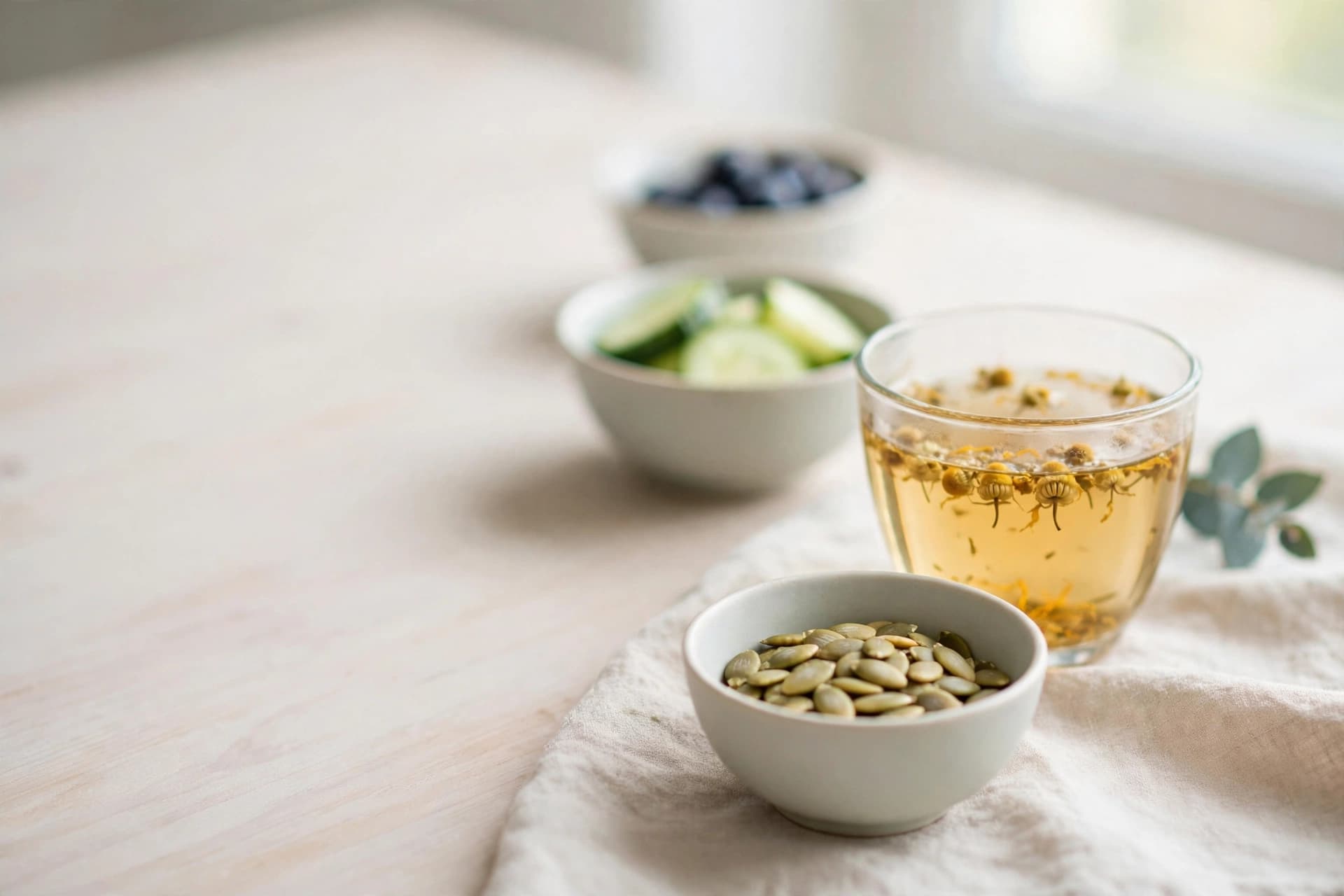
Overview & Core Pillars of Digestive Health Management
Digestive wellbeing is closely tied to how you feel day to day, and this guide covers gentle, supportive care for the abdomen and gut. It brings together gentle hands-on techniques, dietary changes and relaxation routines that look at gut movement, the gut lining, the microbiome and the nervous system.
- Gut Motility Support: Gentle abdominal work aims to support the gut's natural rhythm when things feel sluggish.
- Gut Lining Support: The intestinal lining acts as a barrier, and diet and lifestyle are thought to help keep it resilient.
- Microbiome Balance: Food choices and routines may help support a diverse community of gut bacteria.
- Vagal Nerve & Parasympathetic Regulation: Breathing and relaxation techniques aim to encourage the body's "rest-and-digest" state, which is associated with digestive enzyme release.
- Easing Bloating & Discomfort: Commonly sought for bloating, distension, wind or tenderness.
- Nutrient Absorption Support: Calm, unhurried eating is thought to support the natural release of stomach acid, enzymes and bile.
- Long-Term Gut Resilience: Practical nutrition and lifestyle ideas you can keep using at home.
Concerns People Commonly Bring
- Irritable Bowel Syndrome (IBS - C/D/M): People with IBS often seek gentle care for cramping, diarrhoea, constipation and discomfort.
- Small Intestinal Bacterial Overgrowth (SIBO): Some people seek supportive care for bloating and gas alongside their GP's or gastroenterologist's treatment plan.
- Chronic Bloating & Functional Dyspepsia: Often brought for upper abdominal discomfort, feeling full quickly, heaviness after meals or excess gas.
- Inflammatory Bowel Disease in Remission (Crohn's / UC): During non-active periods, some people seek gentle care for abdominal tension and comfort, always alongside their medical team's care.
- Food Sensitivities & "Leaky Gut" Concerns: Some people come with food sensitivities or gut barrier concerns, looking for gentle care and practical dietary ideas.
Techniques & Technologies Used in Digestive Care
Sessions may include gentle techniques chosen with abdominal tension, lymphatic flow and nervous system relaxation in mind:
- Abdominal Massage — Gentle, rhythmic massage of the abdomen, following the direction of the large bowel, used with the aim of easing tightness and supporting comfortable gut movement.
- Deep Oscillation Therapy — Electrostatic pulsed oscillations create a gentle, deep-acting resonance through the abdominal tissue. Commonly sought for deep tension, cramping, or tightness around scars from earlier abdominal surgery.
- Low-Level Laser Therapy (LLLT) — Low-level light is applied over the abdomen. Research into photobiomodulation has looked at cellular energy (ATP) production and tissue repair, though its role in digestive care is still being explored.
- Manual Lymphatic Drainage (Abdominal MLD) — Gentle, rhythmic strokes designed to encourage lymphatic flow towards the mesenteric vessels and cisterna chyli. Often sought for a feeling of abdominal congestion or fluid retention.
Dietary & Gut-Soothing Approaches
Nutrition can play a supportive role, from noticing foods that may not suit you to nourishing the gut lining.
Core Nutritional Principles
- The 4-R Protocol: A general framework: Remove likely triggers, Replace digestive support such as enzymes where appropriate, Reinoculate beneficial bacteria, and Repair by nourishing the gut lining.
- Mindful Parasympathetic Eating: Chewing thoroughly in a calm state is thought to support the early (cephalic) phase of digestive enzyme release.
- Low-FODMAP Integration (Temporary): A short-term approach, ideally guided by a dietitian, sometimes used during flare-ups to reduce gas-producing fermentable carbohydrates.
Supportive Foods & Supplements
- L-Glutamine & Collagen: Glutamine is a main fuel for the cells lining the intestine, and many people include it with collagen to support that lining.
- Demulcent Herbs (Slippery Elm / Marshmallow Root): Traditionally used to soothe the mucous membranes of the digestive tract.
- Bone Broth & Fermented Foods: Natural sources of gelatin and live bacterial strains.
Before trying a supplement, it's worth checking with your GP or pharmacist, especially if you take other medications.
Lifestyle & Vagal Nerve Regulation Routines
The gut and brain are closely connected, and many people notice that stress affects their digestion. Calming routines can be a helpful part of gut care.
Vagal Nerve Stimulation Techniques
- Box Breathing & Pranayama: Long, slow exhalations are associated with increased vagal activity and may help ease the body out of fight-or-flight.
- Cold Water Exposure: Brief facial immersion or a cool rinse, which some people use to prompt calming reflexes.
- Vocal Toning & Humming: Gentle vibration near where the vagus nerve passes the vocal cords, which many people find relaxing.
Daily Gut-Healthy Habits
- Post-Meal Strolls: 10–15 minutes of gentle walking after meals, which many people find eases digestion.
- Circadian Rhythm Alignment: Eating during daylight hours gives the migrating motor complex (MMC), the gut's overnight housekeeping rhythm, more time to do its work.
- Hydration Timing: Some people prefer drinking water mostly between meals rather than with them.
Pre-Treatment Guidelines & Preparation
Before Your Digestive Therapy Session:
- Symptom Logging: Bring a brief log of recent digestive symptoms, bowel movement consistency (Bristol Stool Scale) and suspected food reactions.
- Light Eating: Avoid heavy, high-fat or gassy meals for 2 hours before abdominal massage.
- Hydration: Sip water steadily through the day before your session.
- Clothing Choice: Wear comfortable, elastic-waist clothing that allows easy access to the abdomen.
Post-Treatment Expectations & At-Home Care
What to Expect
Many people notice abdominal lightness, deep relaxation or more active bowels afterwards. Mild, temporary tiredness or changes in wind can occur over the first 24 hours.
At-Home Actions
- Warm Herbal Teas: Ginger, peppermint or fennel tea are traditionally used for wind and can feel soothing afterwards.
- Gentle Abdominal Self-Massage: Clockwise circular strokes around the navel, following the direction of the colon.
- Rest & Digest: Allow some quiet time after treatment.
Follow-Up Scheduling & Continuity of Care
Long-term gut health is usually a gradual journey, and it can help to revisit your digestion and food tolerances over time. If it would help, you're welcome to book a follow-up session, and to keep your GP or care team in the loop.
This guide is general information
Every case is different. What suits you depends on your history, your surgeon’s instructions and what Kylie finds at your assessment — so please treat this as background rather than a personal treatment plan. If anything here raises a question, call 0408 948 817.