Recovery & Aftercare
Managing Multi-Site Lipoedema
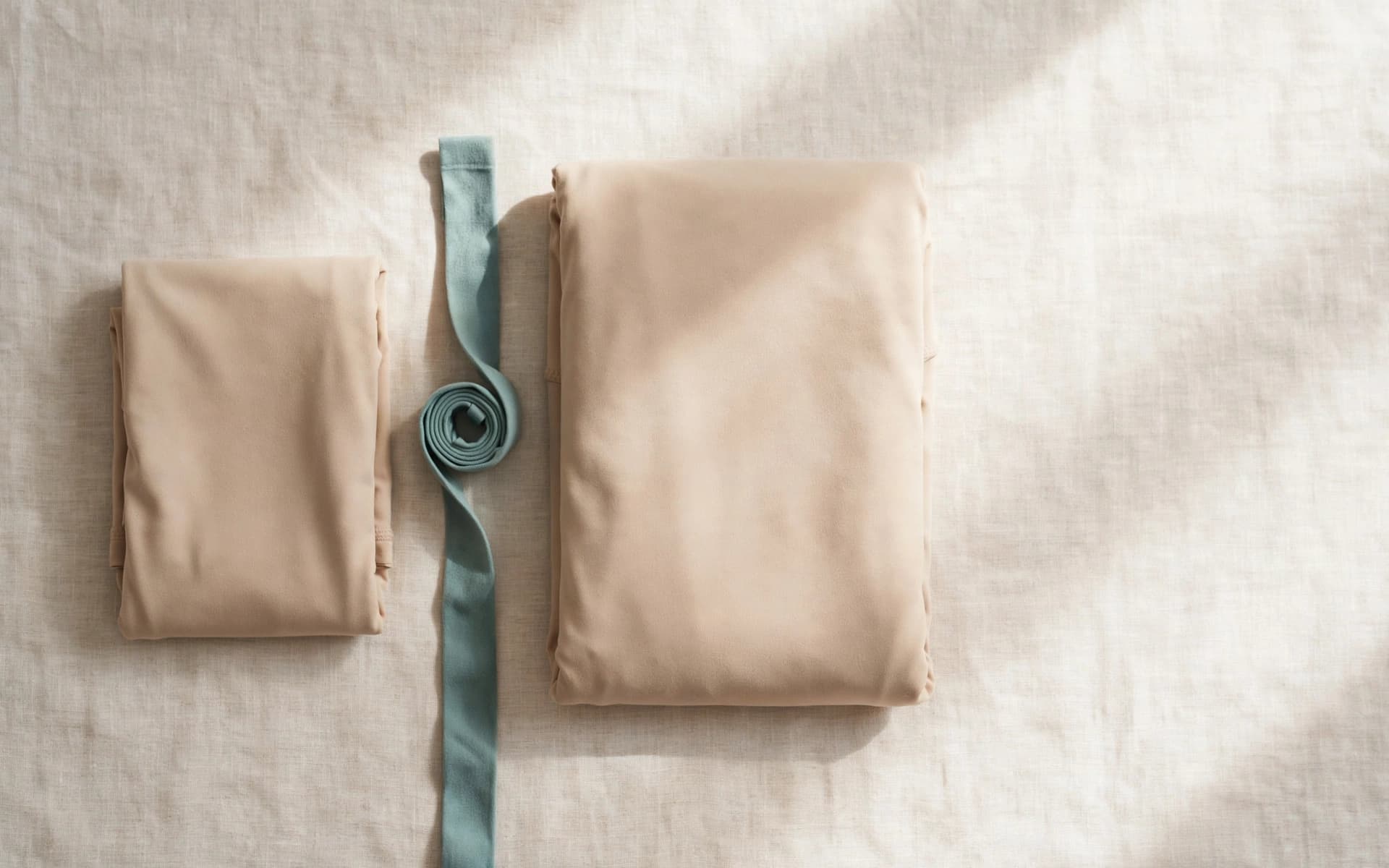
Managing Multi-Site Lipoedema
A gentle whole-body approach to supportive care for lipoedema across staged surgery and conservative, non-surgical management.
When you have lipoedema in several areas and have had surgery in one region (such as the lower legs) while other areas are still affected or planned for future surgery, a whole-body approach to care is usually recommended.
Staged Surgical Planning & Lymphatic Protection
Lipoedema reduction surgery (typically specialised tumescent liposuction) is intentionally split into separate procedures, roughly 8 to 12 weeks apart, to help keep you safe. Operating on several large areas at once places a heavy demand on the body's fluid balance, risks significant hypovolaemic or hypervolaemic stress and can overwhelm regional lymphatic trunks. Staging gives lymphatic pathways time to heal and adapt around the surgical area. Your surgeon will advise on the timing that suits you.
Caring for Unoperated Areas
While your lower legs recover, areas such as the hips, thighs and arms may still progress, ache or feel heavy. Continuing to care for these areas matters:
- Targeted Compression: Unoperated areas may continue to use circular-knit garments or flexible medical-grade wraps, with the aim of supporting localised volume and easing aching.
- Manual Lymphatic Drainage (MLD) & Decongestion: Professional or self-administered MLD is designed to encourage fluid away from untreated areas towards working lymph nodes, with the aim of easing congestion and pooling.
- Low-Impact Movement: Once cleared, gentle, non-jarring movement (such as swimming, walking in compression or rebounding) engages the muscle-vein-lymph pump, helping keep fluid moving through the body.
Whole-Body Lymphatic Load and Circulation Support
Surgery in one area temporarily adds to the inflammatory and fluid load across the lower body and torso. Therapies designed to support whole-body circulation can be a helpful part of recovery:
- Sequential Pneumatic Compression Pumps: Programmable pumps are designed to gently encourage fluid upwards, with the aim of easing the workload on recovering lymphatic vessels.
Combined Compression Approach
Managing compression across different areas calls for a combined approach:
- Surgically Treated Areas: Typically require precise, higher-working-pressure custom flat-knit garments or multi-layer inelastic wraps, as prescribed, to help control post-surgical oedema, reduce the risk of seromas and help scars settle flatter.
- Unoperated Areas: Can usually rely on supportive circular-knit garments or other medical-grade wraps that are comfortable for daily wear while giving enough radial pressure to help with volume and aching.
Supporting Tissue Affected by Fibrosis and Inflammation
Lipoedema is commonly described as involving chronic low-grade inflammation and gradual fibrosis (firming) under the skin, and post-surgical scar tissue can add to this firmness locally. Combining gentle therapies is designed to support both:
- Deep Oscillation Therapy: Uses gentle electrostatic pulses that reach deeper tissue layers, with the aim of softening post-surgical firmness in the lower legs and easing fibrotic lipoedema nodules in unoperated areas.
- Low-Level Laser Therapy (LLLT): Research has looked at its role in tissue healing, post-operative swelling, bruising and inflammation, and it is used with the aim of supporting recovery.
Metabolic and Lifestyle Continuity
Surgery removes lipoedema-affected fat tissue, but it does not cure the underlying condition. Many people find steady everyday habits support their long-term comfort and wellbeing:
- Anti-Inflammatory Eating: Whole foods, antioxidant-rich vegetables, quality proteins and healthy fats, with processed sugars and added salt kept low, as a style of eating commonly suggested for general wellbeing.
- Hydration Balance: Drinking enough water to support healthy fluid balance and kidney function during recovery.
- Pacing and Rest: Your body is working hard to heal, so balance gentle activity with plenty of restful sleep and downtime.
Prepared as general guidance for people on a multi-stage lipoedema surgery journey.
This guide is general information
Every case is different. What suits you depends on your history, your surgeon’s instructions and what Kylie finds at your assessment — so please treat this as background rather than a personal treatment plan. If anything here raises a question, call 0408 948 817.Related treatment: Lipoedema at the clinic